Weddings in 2023: Make sure your big day is protected
A wedding is a special day for a couple, but it can also be an expensive one. Between venues, caterers, photographers, dresses, and entertainment, the costs can add up and even run into the tens of thousands. And with the current cost of living, couples will also be navigating rising costs. For those planning a wedding, it's important you insure yourself against anything that could go awry just before, or on the big day. For those aiming to tie the knot this year, Alex Cross, Insurance Director at Tesco Bank shares his top tips on things to consider for your wedding day and make sure you're covered so things can run as smoothly as possible.
1. Know your wedding costs Weddings can be a pricey affair, with the average cost of a UK wedding in 2022 totalling £18,400. Before choosing your insurance policy, it's important to know what your total wedding costs are and how much you're spending on each element of your big day. Identify any big-ticket expenses that you'll want covered should anything go wrong, such as venues, caterers, photographers, or dresses. This can also help you decide if standard insurance policies will be enough or if you'll need to customise your policy.
2. Do your research If you're splashing out for your big day, wedding insurance can give you peace of mind that you're financially protected in case anything unexpected happens, such as an issue with the venue, a supplier, or a wedding party member falling ill. Every insurance policy is different when it comes to cancellations, lost or damaged items, and even disruption due to extreme weather conditions, so it's important to read the fine print and make sure you're well informed on what you are and aren't covered for. It's also worth checking if providers' policies offer any covid-related cover.
3. Check your home contents policy Before you rush off to buy specialist wedding insurance, check what is covered under your existing home and contents policy. It could save you some valuable pounds. Most insurers will automatically uplift your contents insurance for a set time before and after the big day so things like dresses, suits, gifts, and decorations are covered. And in some cases, it doesn't just cover these items while they are in your home, but also cover the venue and while the items are being taken to and from the reception.
4. Think about your extras There may be some additional extras that need their own insurance policies, such as jewellery. Engagement and wedding rings can be expensive, or hold a great deal of sentimental value, so it's important to make sure these are protected should they get lost, stolen, or damaged. If jewellery contains precious stones or it's a family heirloom, it's worth speaking to a specialist jeweller who can give you an up-to-date valuation on how much your ring is worth and how much cover you need. And don't forget the honeymoon! You'll need to organise separate travel insurance for this too so you're protected on your trip.
5. Be mindful of debt Weddings can easily become quite expensive, so it's important that if you have a budget to try and stick to it, but also be aware of how you'll fund it. According to our research, a quarter (25%) of adults have borrowed money in the last six months, be that from friends and family, using bank or payday loans, or making use of an overdraft or credit cards. Whether you find you need to borrow some money to cover wedding costs or use extra cash to ensure you don't fall behind on regular outgoings it's important to keep an eye on debt levels so they don't catch you out.
Lifestyle brand House of Janneke is expanding its collection of meaningful keepsakes with two new titles: The Book of Special Guests and The Book of Special Recipes, designed to preserve the people, stories and traditions that matter most. Following the success of The Book of Special Days, founder Janneke Simpson has created two beautifully presented books that encourage owners to capture memories by hand, creating personal mementoes to revisit and pass down through generations.
READ ARTICLE
The A/W 2026 wedding trends: softer tailoring, richer tones and seasonal florals
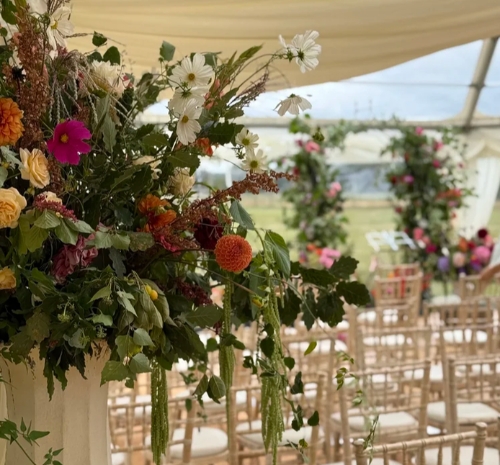
From chocolate and camel tailoring to dahlias and trailing amaranthus, autumn/winter weddings are embracing richer colours and softer styling. As the autumn/winter wedding season gets underway, couples are moving away from rigid, perfectly matched styling in favour of looks that feel more relaxed, personal and connected to the season. Jess Levick, Assistant Buyer at Suit Direct, shares the key tailoring and styling trends shaping A/W 2026 occasionwear, alongside Lucy Hook, Floral Lead at Bloom & Wild, who reveals the flowers, colours and textures set to be popular for bouquets and displays this season.
READ ARTICLE
What to do now to get your finances ready for 2027
Aileen Robertson, Tesco Bank's Head of Savings, has shared ways soon-to-be-wedded couples and newlyweds can build healthy savings habits and step into 2027 feeling more confident about their shared futures! Aileen Robertson, Head of Savings at Tesco Bank, comments: "The start of a new year often feels like the perfect opportunity for a fresh start, with people embracing resolutions and looking to turn over a new leaf. But creating new habits can take time as people settle back into their routines, and sometimes those good intentions never quite get off the ground. "If you're trying to stay on top of your finances in 2027, taking small steps now can make that journey much easier. It's important to remember that it's never too late, or too early, to start working towards your goals. Setting them is the first step, whether they're big or small, so think about what you want your money to do for you. From here you can start to work towards your goals, building good savings habits along the way, and see your money grow over time."
READ ARTICLE
Have you planned your confetti moment?
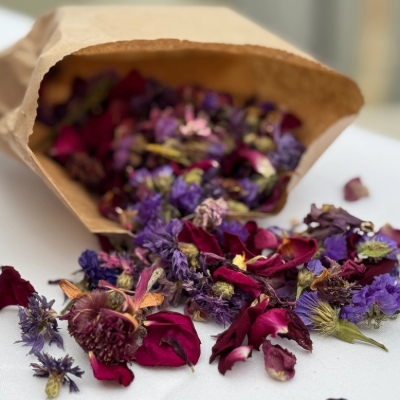
Ezra's Confetti is a family-run business creating completely bespoke, biodegradable natural petal confetti for weddings across the UK. With more than a million possible colour combinations and no dyes, paints or stains, couples can create a mix to perfectly complement their day, with prices starting from just 70p per guest. The business also works with environmentally conscious small businesses to offer wedding favours and décor, alongside its specialist resin flower preservation service. Your wedding flowers can be transformed into beautiful keepsakes including frames, jewellery, bookmarks, hearts, bookends and tables. Founded when six-year-old Ezra made confetti for his dad and stepmum's wedding, the business remains a true family affair, with Ezra and his sister Ivy still involved today.